
Built for school leaders
Helps leaders to
see clearly.
Act proportionately.
Improve deliberately.
Children's futures are shaped by the quality of the teaching they experience every day. ProgressTeaching helps school and trust leaders see teaching clearly, develop teachers intentionally, and create the conditions where children learn exceptionally well.

“You cannot improve what you cannot see clearly.”
Peter Hughes · Founder, ProgressTeaching
Our founder's storyExplore by institution type
Built by leaders
A platform shaped by people who have done the job.
We are a team built around a single purpose. Many of us have led in schools and trusts ourselves. We understand the responsibility leaders carry, the importance of psychological safety for teachers, and the need for systems that feel done with people, not done to them.
The team behind ProgressTeachingWhat we believe
Better teaching changes lives. Everything we do is built around that.
Improvement becomes far more powerful when everyone is working from the same signals, the same language, and the same vision for excellent teaching.
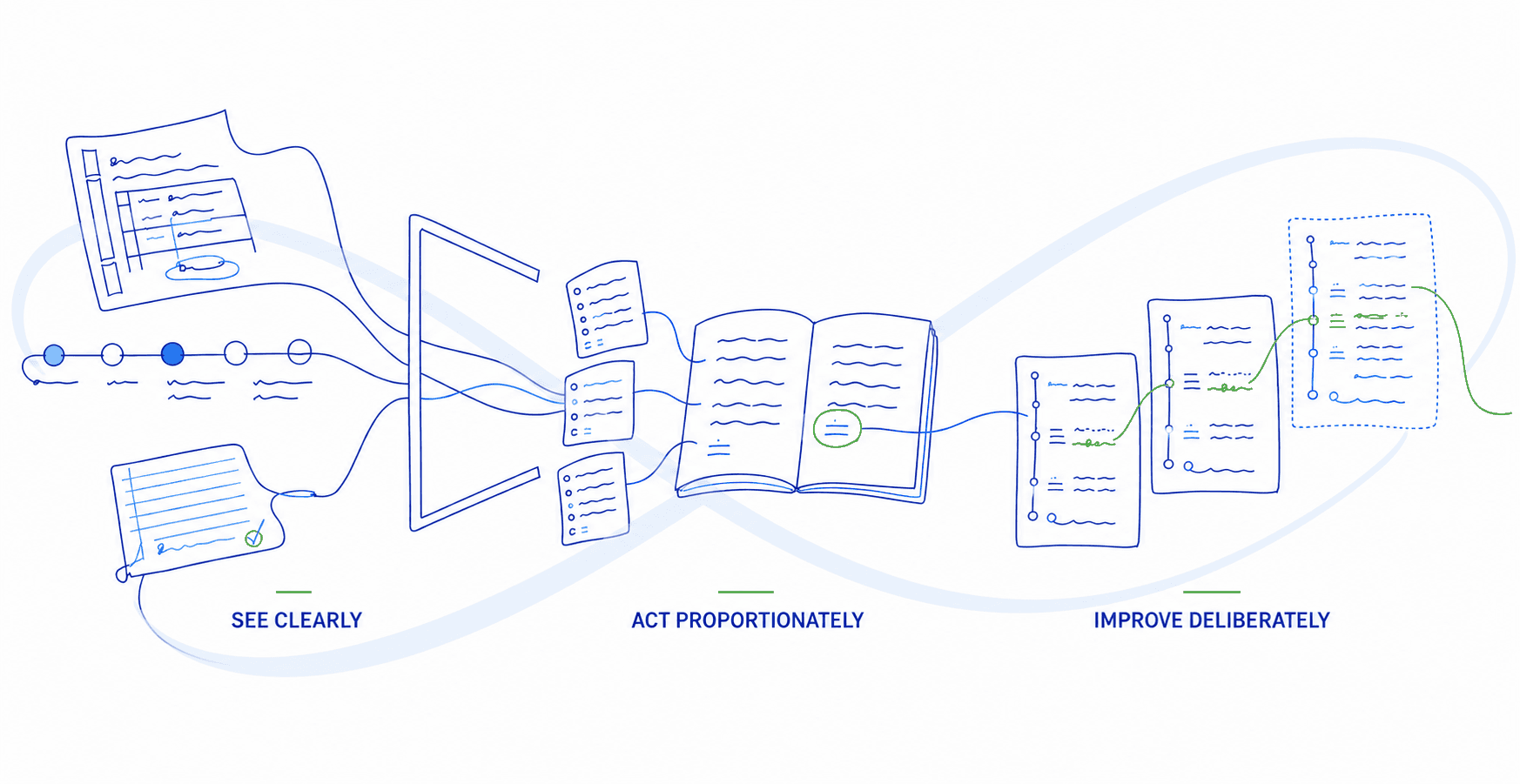
See clearly
Visibility before judgement
Leaders need a complete, honest picture of teaching across their school. Not fragments, not assumptions. Reliable visibility is the foundation everything else is built on.
See moreAct proportionately
Insight before action
Understanding what you see allows you to make decisions with greater confidence. ProgressTeaching helps leaders identify patterns, build shared understanding and act with precision rather than instinct.
See moreImprove deliberately
Development before accountability
Teachers develop best when feedback feels purposeful and safe. Our platform is designed to create the conditions where professional growth happens consistently, not just when it's required.
See more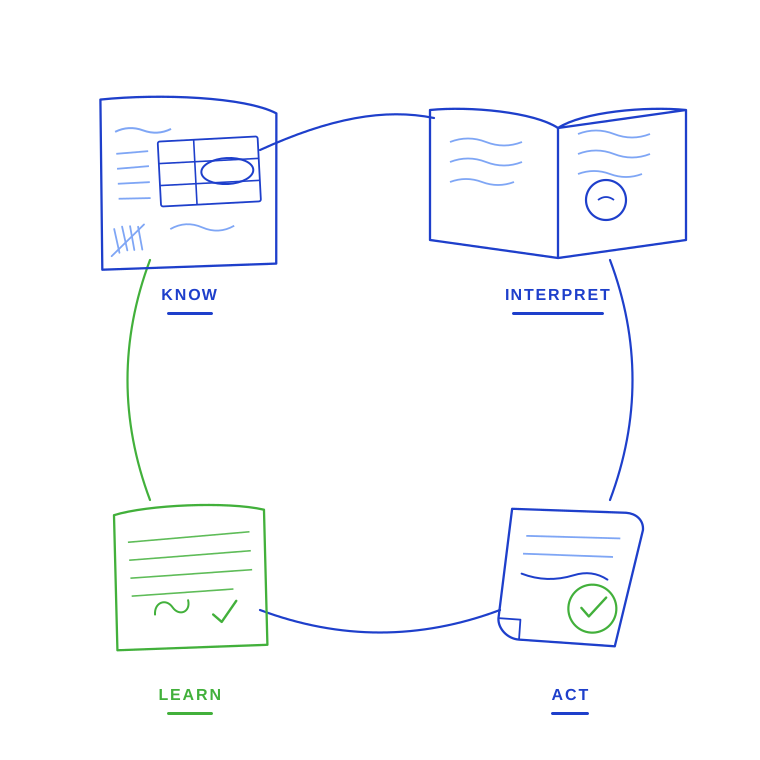
The platform
From isolated insight to deliberate improvement.
Everything connects through one disciplined loop. Each stage feeds the next, and the next cycle begins better informed than the last.
The platform in practice
One connected platform for teaching improvement.
One definition of great teaching
A shared language for teaching quality
Every school and trust defines excellent teaching differently, or not at all. ProgressTeaching gives you one shared framework everyone works from, so an observation in Year 3 means the same thing as one in Year 11, and leaders across a trust are finally comparing like with like.
One definition of great teaching
A shared language for teaching quality
Every school and trust defines excellent teaching differently, or not at all. ProgressTeaching gives you one shared framework everyone works from, so an observation in Year 3 means the same thing as one in Year 11, and leaders across a trust are finally comparing like with like.
Structured, not scattered
Feedback teachers actually use
Structured, low-friction feedback tied to the shared framework, captured in the moment rather than written up later. Every note is specific, timely, and paired with a next step, so feedback moves teaching forward in the next lesson rather than sitting unread in an inbox.
From feedback to follow-through
Action steps that don't get lost
Every piece of feedback ends with a concrete next step, owned by someone and dated to revisit, not a vague aspiration. Action steps carry through to coaching, CPD and future observations, so improvement builds over a term rather than resetting every visit.
Focus on what matters
Analytics that show you where to look
Dashboards, reliability checks and gap analysis turn individual observations into patterns you can trust. Leaders see what's typical, what's an outlier, and where practice falls short of the framework, so attention goes where it's needed rather than where it's loudest.
Evidence, not guesswork
Appraisal grounded in real evidence
Appraisal conversations are only as good as the evidence behind them. ProgressTeaching draws on feedback, action steps and progress captured through the year, so appraisal reflects a teacher's actual practice and growth, not a single lesson or whoever makes the strongest case in September.
Judgement, not just data
Development for leaders, not just teachers
Great decisions depend on great judgement. Development gives leaders structured tools to calibrate their own thinking, build coaching capability, and grow the leaders coming up behind them, so the platform strengthens leadership as well as classroom practice.
The value
What this makes possible for everyone.
When leaders see clearly, teachers develop purposefully, and improvement is coordinated across the organisation, children experience better learning every day.
For Leaders
Greater clarity, stronger alignment, and more confidence that improvement activity is genuinely making a difference.
See more
For Teachers
Feedback that feels developmental rather than judged, with clear next steps and time to act on them — not just a record of what happened.
See more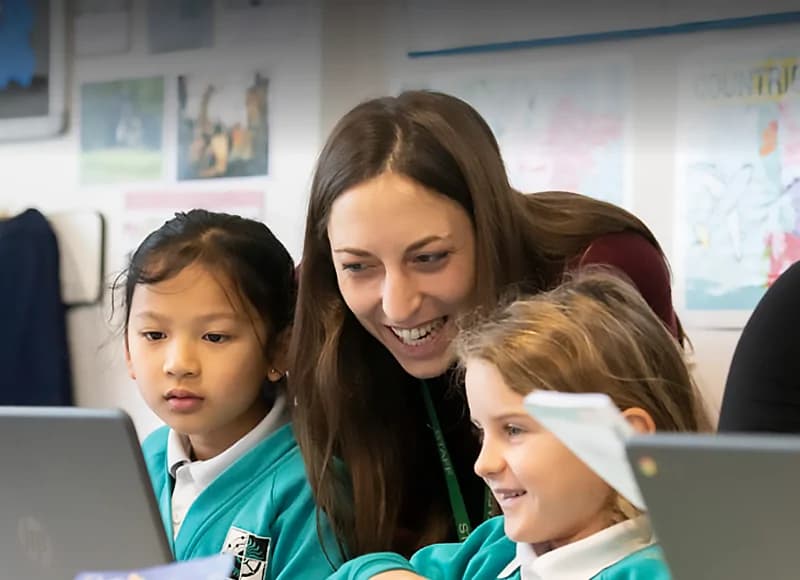
For Trusts
A consistent, shared picture of teaching quality across every school — making it possible to spread what works and target support where it's needed most.
See more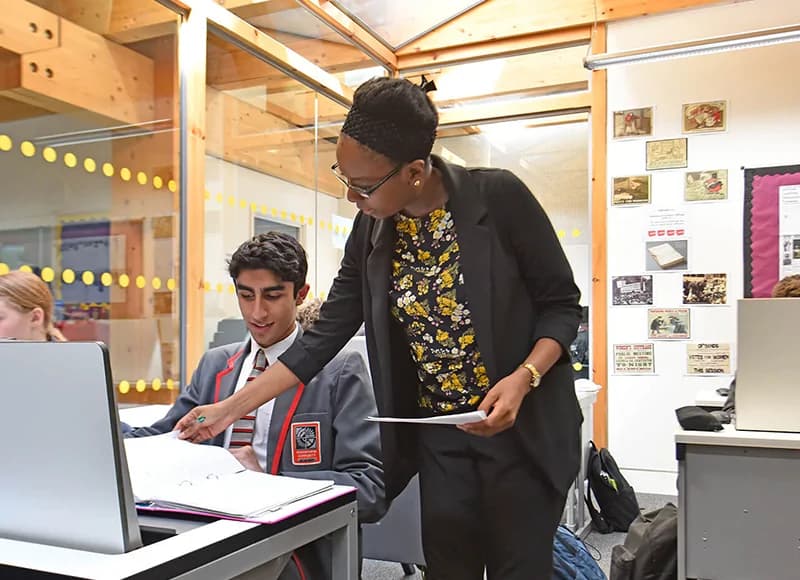
Evidence of impact
Outcomes linked to the leadership behind ProgressTeaching
improvement
Most improved school nationally.
Fairer Schools Index
outcomes
2 of the top 10 non-selective secondaries nationally.
The Telegraph
attainment
5 of the top 12 schools for disadvantaged attainment.
outcomes
Number 6 trust nationally for KS2 outcomes.
attainment
1 of the top 20 primary schools for attainment.
improvement
Highest sixth form progress nationally.
“This is an investment in teaching and learning we are glad we have made as a school. Staff really value the data which is generated and have real buy-in as they know their individual needs are being considered and can get instant feedback on their progress.”
“Amazing! We can instantly see the impact of our teaching and learning policy with ProgressTeaching.”
“ProgressTeaching has been a key tool in raising the standard of teaching and learning at the Mossbourne Federation. There’s no other platform like it on the market. It has had a huge impact on improving the quality of education and student outcomes across our schools.”
“As soon as we saw ProgressTeaching Vision we knew that it would aid us in our drive to raise standards of teaching and learning throughout the school. It has allowed our Middle Leaders to analyse teaching and learning data in a time efficient way, allowing them to facilitate more meaningful professional dialogue to develop the practitioners within their teams.”
“The platform has empowered staff to take ownership of their development. It provides clear priorities at department and whole-school level, supported by robust evidence. We've gained a better understanding of what’s happening across the school, and it has been invaluable in supporting our ECT programme, helping observers build on previous feedback effectively.”
“I love being able to see observer feedback and their perspectives on lessons. Moving from paper slips to the platform has saved so much time, and the filters are incredibly helpful. The high-frequency, low-pressure feedback for teachers is fantastic!”
“When our School Improvement Partner visited us, he looked at the quality of teaching report from ProgressTeaching then we went on a learning walk. He commented afterwards that the report absolutely mirrored what he had seen in classrooms.”
“ProgressTeaching is the backbone of our coaching system. It enables teachers and leaders to quickly, efficiently and precisely ensure that professional development is of the highest quality.”
“ProgressTeaching has been a game changer: a fantastic platform to support whole school teaching and learning and the development of a professional culture of learning for staff at any point in their career.”
Lasting school improvement does not happen through isolated initiatives.
It happens through one connected system, used deliberately, over time. That is what ProgressTeaching is built to support.